Updated: July 2026
How to Plan Your Sumba Trip Around a Nihiwatu Stay
- Align with the Seasons: Choose the dry season (April to October) for optimal beach conditions and trekking, or the Pasola festival months (February/March) for a unique cultural immersion.
- Sequence Your Itinerary: Explore East Sumba’s traditional villages and savannahs first to build anticipation, or unwind at Nihiwatu before embarking on curated day trips in the West.
- Engage a Specialist: Arrange a private guide and vehicle to navigate the island’s remote terrain and gain respectful access to ancient Marapu communities.
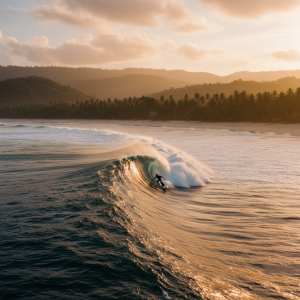
The Land Rover crunches to a halt. The air, thick with the scent of salt and wild frangipani, hangs heavy. Below, a 2.5-kilometer crescent of immaculate sand meets the roaring Indian Ocean, a force of nature that culminates in the world-renowned wave known as Occy’s Left. You have arrived at Nihiwatu, but your journey into the heart of Sumba is just beginning. For those of us who have charted the globe’s most remote corners, we understand that a destination like this isn’t just a place to stay; it’s an anchor, a magnificent base camp from which to decipher one of Indonesia’s last truly untamed islands. Planning a Sumba trip around a Nihiwatu stay is less about logistics and more about narrative—crafting a story that balances comfort with profound discovery. (See Marapu (religion) for context.)
The Gravity of Nihiwatu: More Than an Apex of Luxury
It’s easy to see why Nihi Sumba was voted the number one hotel in the world by Travel + Leisure readers for two consecutive years. With just 27 villas spread across 567 acres of pristine coastline, the sense of privacy is absolute. But to define the nihiwatu resort by its accolades is to miss the point entirely. From my conversations with founder Chris Burch, it’s clear the vision was always grander. This is a place built on purpose, intrinsically tied to the land and its people through the Sumba Foundation. The resort directly funds nearly 100% of the Foundation’s administrative costs, enabling projects that have reduced malaria prevalence by over 93% in the region and supported dozens of schools and water wells. This symbiotic relationship is the resort’s true soul. A stay here is an investment in the island itself. And while the experiences—from a private surf lesson on that legendary wave to the trek through rice paddies for the Nihioka Spa Safari—are meticulously executed, they serve as a perfect prologue to the wilder Sumba that lies just beyond the resort’s meticulously manicured borders.
Timing is Everything: Sumba’s Seasons and Sacred Rites
Your entire Sumba experience hinges on when you visit. The island operates on two distinct climatic schedules. The dry season, running from roughly April through October, is the most popular period. During these months, the sun is relentless, the savannahs of the East turn a beautiful golden-brown, and the coastal roads are easily navigable. This is the ideal time for beach-focused activities and trekking to the island’s many waterfalls. Conversely, the wet season, from November to March, transforms Sumba into a panorama of electric green. While travel can be more challenging due to rain, the landscapes are arguably more dramatic, and you’ll encounter fewer travelers. Critically, these months host the island’s most famous cultural event: the Pasola festival. This ancient, violent, and spectacular ritual involves spear-wielding horsemen in mock battle, a tradition meant to spill blood on the soil to ensure a bountiful harvest. The festival’s timing is determined by the island’s Rato (Marapu priests) and typically occurs in February and March. Planning a trip around Pasola requires booking at least 12 to 18 months in advance, as accommodations, particularly at Nihiwatu, become exceedingly scarce.
Structuring the Narrative: Exploration Before or After Your Nihiwatu Stay
The fundamental question when planning your sumba trip around a nihiwatu stay is one of sequence. Do you the raw, unscripted culture of the island first and conclude with the restorative luxury of the resort, or do you decompress at Nihiwatu before venturing out? There are two compelling schools of thought. The first, which I personally favor, is to land at Waingapu Airport (WGP) in East Sumba. Spend three to four days exploring the region’s incredible ikat weaving villages, the vast Puru Kambera savannah, and the megalithic tombs that dot the landscape. This approach allows you to acclimate to the island’s rhythm and builds a deep appreciation for the context in which Nihiwatu exists. The four-hour, 140-kilometer drive west becomes a journey of dramatic topographical change. The alternative is to fly directly into Tambolaka Airport (TMC), a 90-minute drive from the resort. This allows you to immediately shed the stresses of travel. You can settle into your villa, surf, and indulge in the spa. From this state of complete relaxation, you can then undertake curated day trips into West Sumba, returning each evening to familiar comforts. This is an excellent option for those with less time or a lower tolerance for the unpredictability of rustic travel.
Beyond the Gates: Curated Excursions in West Sumba
Using Nihiwatu as your base, the wonders of West Sumba are readily accessible, provided you have the right guide. The key is to transform a sightseeing checklist into a series of meaningful encounters. A 90-minute drive north takes you to Weekuri Lagoon, a tidal saltwater lake whose crystalline water shifts from turquoise to emerald with the changing sun. While beautiful, a curated experience might involve arriving at dawn before anyone else, followed by a privately catered breakfast on the adjacent beach. Further afield is Ratenggaro Village, a coastal community famous for its traditional houses with towering, 25-meter-high thatched roofs, the tallest on the island. Here, a knowledgeable local guide is indispensable. They can facilitate a respectful interaction with the village chief, explaining the Marapu symbolism carved into the homes. For a dose of natural grandeur, the 90-meter Lapopu Waterfall offers a powerful display, especially towards the end of the wet season. A proper tour operator, like the team at Sumba Private Tour Atelier, will handle the logistics seamlessly—a comfortable 4×4 vehicle, entrance fees, and, most importantly, a guide who can bridge the cultural and linguistic gap, turning a simple visit into a genuine connection.
The Wild East: A Necessary Counterpoint
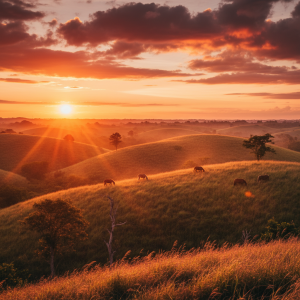
While West Sumba is home to Nihiwatu and a concentration of iconic sites, East Sumba offers a different, perhaps more elemental, kind of magic. This is the heartland of Sumba’s famed ikat weaving, a tradition so complex that a single, masterfully dyed piece can take years to complete and fetch thousands of dollars. As noted by Indonesia’s official tourism board, Sumbanese ikat is a narrative textile, with motifs that tell stories of lineage, wealth, and spiritual beliefs. Visiting a village like Prailiu near Waingapu offers a chance to witness this art form firsthand. The East is also a land of immense, sweeping landscapes. The Puru Kambera Savannah, with its wild horses, feels like a slice of the African plains dropped into the Lesser Sunda Islands. And for the intrepid, a challenging trek leads to the breathtaking Waimarang Waterfall, a secluded turquoise pool hidden within a narrow canyon. To truly appreciate the island’s diversity, dedicating at least two full days to the East is essential. It provides a rustic, authentic counterpoint that deepens your understanding of the polished perfection you experience at the nihiwatu resort.
Quick FAQ: Your Sumba & Nihiwatu Logistics Answered
How do I get to Sumba? The island is served by two main airports. Tambolaka Airport (TMC) in the west is the gateway for Nihiwatu, while Waingapu Airport (WGP) serves the east. There are no direct international flights; you must connect through Bali (DPS), with daily flights on Garuda Indonesia and Wings Air taking approximately 60-90 minutes.
What is the Marapu religion? As detailed in anthropological studies referenced on sites like Wikipedia, Marapu is the indigenous animist religion of Sumba. It revolves around the worship of ancestors, spirits, and the life-giving forces of nature. This belief system dictates every aspect of traditional life, from village architecture to the intricate burial rituals involving megalithic tombs.
What should I pack beyond resort wear? While your time at Nihiwatu calls for elegant beach attire, exploring the island requires practicality. Pack lightweight, long-sleeved shirts and trousers made of breathable fabric for village visits, both for sun protection and as a sign of respect. Sturdy walking shoes are essential for trekking to waterfalls and navigating uneven terrain. It’s also wise to carry a significant amount of Indonesian Rupiah (IDR) in cash, as ATMs are unreliable outside the main towns.
Is the Sumba Foundation separate from the resort? Yes, the Sumba Foundation is a private, non-profit organization, but it was founded by Nihiwatu’s original owner, Claude Graves, and continues to be the resort’s primary philanthropic partner. Guests are encouraged to visit Foundation projects to see the direct impact of their stay, from clinics to school lunch programs, which now feed over 1,200 children daily.
A stay at Nihiwatu is, without question, one of the world’s great travel experiences. But to let the journey end at its gates would be a missed opportunity. The resort is the perfect lens through which to view the island, but the soul of Sumba—its ancient traditions, its resilient people, and its staggering, raw beauty—awaits your discovery. It’s an island that rewards the curious and the respectful. By thoughtfully planning your sumba trip around a nihiwatu stay, you create a far richer narrative, one that harmonizes the pinnacle of modern luxury with the timeless spirit of one of Indonesia’s most captivating islands. Let us help you write that story.
Begin planning your bespoke Sumba journey by exploring our approach to crafting an unforgettable itinerary that balances the legendary Nihiwatu Resort with the authentic heart of the island.