Updated: July 2026
Nihiwatu Resort vs Bali, Maldives, And Other Luxury Escapes
Understanding Nihiwatu Resort in the Context of Luxury Travel
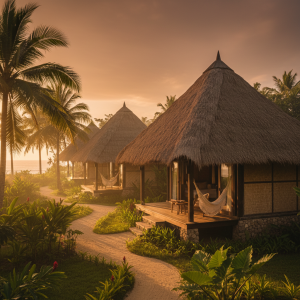
Nihiwatu Resort, located on Sumba Island, Indonesia, is a premier luxury escape known for its stunning landscapes, exclusive experiences, and a remote island feel. As travelers seek the ultimate getaway, comparing Nihiwatu with other luxury destinations like Bali, the Maldives, and various private islands becomes essential to make an informed decision.
Nihiwatu Resort vs. Bali Luxury Resorts
Bali has long been a staple in the luxury travel market, boasting numerous high-end resorts, stunning beaches, and a rich cultural . However, the experience at Nihiwatu Resort is uniquely different. Located about 400 kilometers east of Bali, Sumba offers a more secluded and tranquil environment.
- Accommodations: Nihiwatu features 33 villas with private pools, starting at around $1,200 per night. In contrast, Bali offers a broader range of accommodations, from budget options to luxury villas like the Four Seasons at Jimbaran, which can cost upwards of $1,500 per night.
- Atmosphere: Nihiwatu’s remote setting provides an escape from Bali’s tourist-heavy areas. The resort is set on a pristine stretch of beach and surrounded by lush landscapes, making it ideal for those seeking solitude.
- Activities: While Bali is renowned for its nightlife and cultural experiences, Nihiwatu focuses on nature-based activities, such as surfing, snorkeling, and cultural tours. The surrounding waves are known for their exceptional surfing conditions, particularly from March to October.
For travelers seeking an authentic and less commercialized atmosphere, Nihiwatu Resort stands out amid Bali’s bustling luxury scene.
Nihiwatu Resort vs. Maldives Overwater Bungalows
The Maldives is synonymous with overwater bungalows and crystal-clear lagoons. While Nihiwatu does not feature overwater accommodations, its hillside villas offer breathtaking ocean views and direct beach access, providing an alternative yet equally luxurious experience.
- Price Comparison: Overwater bungalows in the Maldives, such as those at the St. Regis, can cost around $1,800 per night. Nihiwatu, while expensive, presents a more varied pricing structure, making it slightly more accessible for travelers.
- Activities: The Maldives emphasizes water activities like diving and snorkeling, with stunning coral reefs at depths of 10-30 meters. Nihiwatu also offers exceptional diving opportunities, particularly around the Komodo National Park, with depths ranging similarly. Both destinations cater to marine enthusiasts, but Nihiwatu provides the added allure of cultural immersion.
- Remote Feel: While both locations offer privacy, Nihiwatu’s exclusivity is amplified by its location on an under-explored island, where you can often find untouched beaches and fewer crowds compared to the Maldives.
In essence, if you prioritize complete isolation and a cultural experience alongside luxurious comforts, Nihiwatu Resort offers compelling advantages over traditional Maldives resorts.
Nihiwatu Resort vs. Komodo Liveaboard Experiences
For adventure seekers, liveaboards around Komodo National Park promise thrilling dive experiences. However, Nihiwatu provides a luxurious base for accessing these dive sites while also offering an array of additional amenities.
- Convenience: A liveaboard trip can last anywhere from three to seven days, costing between $1,300 to $2,000, which often includes meals and diving gear. Conversely, a stay at Nihiwatu allows you to dive during the day and return to a luxurious villa each evening.
- Diving Quality: Both options present spectacular diving opportunities, with stunning biodiversity and pristine reefs. Nihiwatu’s dive center provides guided trips to Komodo, making it an ideal launching pad for your underwater adventures.
- Overall Experience: Liveaboards offer a unique sense of adventure, yet Nihiwatu balances thrill with luxury and relaxation, making it suitable for both divers and those accompanying them who may prefer land-based activities.
Choosing between Nihiwatu and a liveaboard adventure ultimately depends on whether you prefer a comprehensive luxury experience or an intense diving expedition.
Evaluating the Cost: Is Nihiwatu Worth the Price?
Travelers often grapple with whether the price tag associated with Nihiwatu Resort is justified. With nightly rates starting at around $1,200, guests will want to ensure the experience meets their expectations.
- Value Proposition: Nihiwatu’s all-inclusive packages include accommodations, meals, and various activities, offering value for those seeking a stress-free vacation.
- Unique Experiences: From private surfing lessons at the world-renowned Nihi Beach to wellness retreats, the resort provides tailored experiences that can be hard to find elsewhere.
- Community Impact: Part of the resort’s proceeds supports local communities through education and sustainable development, giving guests a sense of contributing positively during their stay.
When considering the breadth of experiences and the social impact involved, many guests find that Nihiwatu justifies its premium pricing.
Nihiwatu Resort Compared to Four Seasons Bali
The Four Seasons Bali at Jimbaran is a luxury icon that attracts those looking for a world-class experience. However, when comparing the two, several distinctions arise.
- Location and Privacy: While the Four Seasons is located in a popular area of Bali, Nihiwatu’s seclusion on Sumba Island offers privacy and tranquility.
- Service Style: Both resorts emphasize exceptional service, yet Nihiwatu’s intimate scale allows for a more personalized experience, often remembering guest preferences more intimately.
- Dining Options: The Four Seasons offers diverse dining options with international cuisines. Nihiwatu showcases local flavors with a focus on organic produce and seafood, creating a unique culinary journey.
For those desiring a combination of luxury and a peaceful atmosphere, Nihiwatu Resort resonates more deeply than the Four Seasons in Bali.
Who Should Choose Nihiwatu vs. Bali?
Nihiwatu Resort is ideal for travelers seeking a luxury experience with a strong connection to nature and culture. In contrast, Bali appeals to those who prioritize nightlife, shopping, and a bustling tourist scene.
- Target Demographics: Nihiwatu attracts couples and families looking for privacy, surfers aiming for world-class waves, and wellness-focused individuals seeking retreats.
- Bali’s Appeal: Bali is perfect for social butterflies and those wanting to immerse themselves in a vibrant culture filled with markets, nightlife, and diverse dining.
Ultimately, your choice will hinge on your preferences for atmosphere and the type of experiences you wish to have.
Pros and Cons of Nihiwatu Resort
Every luxury resort has its strengths and weaknesses. Here’s a brief rundown of what to expect at Nihiwatu Resort.
| Pros | Cons |
|---|---|
| Exclusivity and privacy | Higher price point |
| Stunning natural surroundings | Limited nightlife options |
| surf and dive experiences | More remote location, requiring additional travel |
| Community impact projects | Less variety in dining compared to larger resorts |
Understanding these pros and cons will help travelers align their expectations with what Nihiwatu can deliver.
Alternatives to Nihiwatu Resort
For those considering other options, several alternatives can provide similar luxury experiences, though each with its unique flavor.
- Luxury Private Islands in Fiji: Islands like Laucala Island offer ultra-luxury experiences but at a much higher price point, often exceeding $5,000 per night.
- Amankila in Bali: This resort offers a blend of luxury and local culture but lacks the remote feel of Nihiwatu.
- Belmond Jimbaran Puri: Another Bali option that features beachfront villas, although it’s busier than Nihiwatu.
Each alternative has its appeal, but they may not provide the unique blend of solitude, luxury, and cultural connection found at Nihiwatu.
Frequently Asked Questions
- What is the best time to visit Nihiwatu Resort? The ideal time is from April to October, which coincides with the dry season and optimal surfing conditions.
- Can I dive from Nihiwatu? Yes, the resort offers diving excursions to nearby sites, including trips to Komodo National Park.
- Is Nihiwatu kid-friendly? Yes, Nihiwatu caters to families and offers activities suited for children, while still providing serene spaces for adults.
Whether you choose Nihiwatu Resort, Bali, the Maldives, or other luxurious escapes, each destination offers a unique set of experiences. However, for those yearning for a genuine connection to nature and culture, Nihiwatu stands out as a remarkable choice.
Are you ready to explore the untouched beauty of Sumba at Nihiwatu Resort?
Explore more from Nihiwaturesort
- Nihiwaturesort — home
- Sumba Private Tour Atelier Cost & Pricing Guide
- Frequently Asked Questions — Sumba Private Tour Atelier
- Sumba Private Tour Atelier vs Alternatives Comparison
- Signature Experiences At Nihiwatu: Surf, Horses, Spa Safari
- Practical Packing List For Nihiwatu Resort And Sumba