Updated: June 2026
Cultural Etiquette And Local Life Around Nihiwatu Resort
Cultural Etiquette and Local Life Around Nihiwatu Resort
Understanding the intricacies of local culture is essential when visiting any destination, especially one as rich in tradition as Sumba Island. This post will guide you through the cultural etiquette, daily life, and local customs that you should be aware of when staying at Nihiwatu Resort, ensuring your experience is both respectful and immersive.
Visiting Sumba Villages from Nihiwatu
Nihiwatu Resort is pristinely located on the southwestern coast of Sumba, providing visitors with the perfect base to explore nearby villages. The two most prominent villages are Ratenggaro and Kodi, both offering unique insights into Sumbanese life. A typical visit lasts around four to six hours, with guided tours arranged by Nihiwatu starting from around $45 (rates ↗) per person.
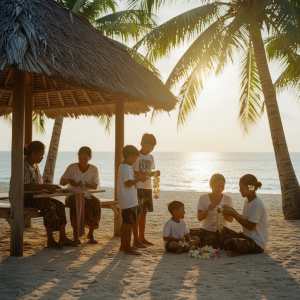
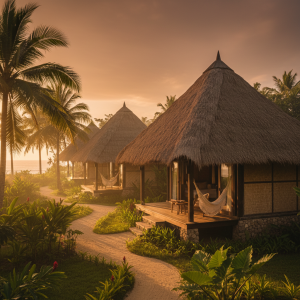
When visiting these villages, you can expect warm welcomes and the opportunity to witness traditional ceremonies, local crafts, and daily life. It’s common to see the iconic thatched-roof houses, which reflect the local architecture that has been preserved for generations. Tours often include stops at local markets, where you can interact with villagers and witness the trading of goods such as textiles and handicrafts.
Cultural Etiquette on Sumba Island
Respecting local customs is paramount when visiting Sumba. The island is home to the Marapu belief system, which emphasizes respect for ancestors and nature. Here are a few vital etiquette tips to keep in mind:
- Dress Modestly: Ensure your clothing covers shoulders and knees, particularly when visiting villages or attending ceremonies.
- Ask for Permission: Always ask permission before taking photographs of people or their homes. Many villagers view photography as intrusive, so it’s better to be cautious.
- Observe Local Customs: Take part respectfully in local traditions, such as greeting elders or participating in rituals when invited.
By adhering to these etiquette guidelines, you’ll not only show respect for the local culture but also enrich your travel experience.
What to Wear for Village Visits in Nihiwatu, Sumba
When planning your attire for village visits, the focus should be on comfort while respecting local traditions. Light, breathable fabrics are ideal due to Sumba’s warm climate, especially from May to September when temperatures can reach up to 86°F (30°C). Here are some suggestions:
- For Women: A long skirt or loose-fitting trousers paired with a lightweight blouse is recommended. Consider a sarong as it can be both functional and respectful.
- For Men: Lightweight trousers and a short-sleeved shirt are acceptable. A t-shirt with respectful graphics is also fine, but avoid any offensive imagery.
- Shoes: Comfortable sandals or sneakers are ideal, as some village paths can be uneven.
By dressing appropriately, you not only respect local customs but also ensure your comfort while villages.
Tipping at Nihiwatu Resort
Tipping is not mandatory in Indonesia, but it is appreciated, especially at high-end establishments like Nihiwatu Resort. A standard tip for your guide or butler is around 10% of your total bill or about $5 to $10 (rates ↗ to rates ↗) for exceptional service. For local service workers, rounding up your bill or leaving a small amount is also a kind gesture.
The resort operates on a cashless system, so consider using your credit card for payments and allocating a small amount of cash for tips to be given directly to the staff. This gesture not only shows appreciation but also supports the local economy directly.
Gifts for Local Communities in Sumba
If you’re inclined to bring gifts for the local communities, thoughtful items that can be useful or educational are highly appreciated. A few suggestions include:
- School Supplies: Pens, notebooks, and other educational materials.
- Clothing: Lightweight clothing suitable for warm climates can be very useful.
- Sports Equipment: Items like soccer balls or volleyballs, which are often welcomed by local youth.
Before giving gifts, it’s advisable to check with your guide to ensure they are appropriate and welcomed by the community.
Learning About Marapu Culture Near Nihiwatu
The Marapu belief system is integral to Sumbanese identity, encompassing ancestral worship and a deep connection to nature. Visitors can engage with this culture through organized tours that sometimes feature local ceremonies or rituals. Participating in these events, with respect and under the guidance of a local expert, can provide profound insights into the values and principles of Marapu culture.
Moreover, Nihiwatu Resort collaborates with local communities to host cultural nights where guests can experience traditional music, dance, and storytelling. These events not only offer entertainment but also serve as a bridge between visitors and local culture, fostering understanding and respect.
Photography Etiquette in Sumba Villages
Photographing village life can be a rewarding experience, but it must be approached with sensitivity. Here are some key points to remember:
- Seek Permission: Always ask before taking pictures of individuals, especially children. Some families may prefer not to be photographed.
- Avoid Intrusiveness: Try to blend in rather than intrude. Be mindful of your surroundings and respect the privacy of individuals.
- Capture with Care: Focus on candid moments that tell a story rather than posed shots, as this can make your images feel more genuine and respectful.
By following these guidelines, you can capture the beauty and essence of Sumba while ensuring you maintain a respectful relationship with the locals.
Language Spoken Around Nihiwatu, Sumba
The primary language spoken in Sumba is Bahasa Sumba, which varies from village to village. However, Bahasa Indonesia is widely understood and serves as the national language, making it easier for travelers to communicate. Learning a few basic phrases in either language can enhance your experience. Here are a few essential phrases:
- Selamat Pagi: Good morning
- Terima kasih: Thank you
- Permisi: Excuse me
Even a simple greeting in the local language can lead to warm smiles and a more welcoming interaction with the locals.
Respecting Local Traditions at Nihiwatu
At Nihiwatu, respecting local traditions extends beyond mere acknowledgment; it’s about actively participating in community life. The resort’s commitment to preserving Sumbanese culture is evident in its support for local artisans, the use of traditional architecture, and the celebration of indigenous customs. Guests are encouraged to engage with the local community through organized interactions.
Moreover, the resort allocates a portion of its profits to community development projects, further underscoring its dedication to the island’s welfare. This means that when you stay at Nihiwatu, you’re not just enjoying luxury; you’re contributing to the sustainability of Sumba’s culture and economy.
Conclusion
Engaging with the local culture around Nihiwatu Resort can transform your travel experience from a mere visit into a meaningful journey. By understanding and respecting local customs, dressing appropriately, participating in community life, and communicating effectively, you can forge genuine connections. Immerse yourself in the richness of Sumba and leave with unforgettable memories and deep respect for its people.
Ready to experience the magic of Sumba? Book your stay at Nihiwatu Resort today!
Explore more from Nihiwaturesort
- Nihiwaturesort — home
- Best Time for Sumba Private Tour Atelier
- 3-Day Sumba Private Tour Atelier Itinerary
- 7-Day Sumba Private Tour Atelier Itinerary
- Health, Safety, And Travel Insurance For Nihiwatu Resort
- Food, Dining, And Special Diets At Nihiwatu Resort