Updated: July 2026
How Much Does a Luxury Stay at Nihi Sumba Cost?
- Villa Tier: One-bedroom villas start at the lower end, while the multi-villa private Raja Mandaka estate commands the highest rate.
- Seasonality: Rates peak during the high season (July-August, holidays) and are lowest in the green season (November-March).
- Inclusions: The rate covers all meals, non-alcoholic drinks, and a wide array of non-motorized resort activities and excursions.
The first sound you register is the Indian Ocean. It’s not a gentle lapping; it’s a percussive, rhythmic crash that reverberates through the floor of your open-air villa. The air, thick with the scent of salt and frangipani, carries the distant neigh of a Sandalwood horse. You are on the edge of the world, a place of untamed luxury that has, for years, been the secret whisper among the world’s most discerning travelers. This is Nihi Sumba, and the most common question I hear from clients and colleagues is not about the surf or the spa, but a more practical matter: What is the real price of admission to this paradise? The answer, like the island itself, is complex, layered, and deeply personal.
Deconstructing the Nihi Sumba Price Tag: Beyond the Nightly Rate
Understanding the cost of a stay at Nihi Sumba requires a shift in perspective from a simple room rate to an all-encompassing experience fee. The resort operates on a full-board, all-inclusive basis, a model that simplifies the on-site experience immensely. The figure you see on your booking confirmation—starting from $1,545 per night for a one-bedroom villa in the green season—is comprehensive. It includes three daily meals, whether taken at the beachside Ombak restaurant, the clifftop Nio Beach Club, or delivered to your villa. It also covers all non-alcoholic beverages, a daily restocked minibar, and a curated selection of land and sea activities. Think group yoga sessions at dawn, stand-up paddleboarding along the 2.5-kilometer private beach, and guided treks to nearby villages. Even daily laundry service is folded into the rate, a small but significant detail for those traveling light. However, it’s crucial to understand the exclusions. Premium alcoholic beverages, signature spa journeys, and specialized excursions carry additional charges. For instance, the mandatory round-trip airport transfer from Tambolaka Airport (TMC), a 90-minute scenic drive, is a fixed cost of around $250 per person. Furthermore, all final bills are subject to a 21% charge, comprising an 11% government tax and a 10% service charge that is distributed among the resort’s 400-plus local staff. This structure ensures that from the moment you arrive, your focus remains on the experience, not the transaction.
Villa Tiers and Seasonal Pricing: Your Primary Cost Drivers
The single largest variable in determining your nihiwatu resort cost is your choice of accommodation, followed closely by the time of year you travel. The resort’s 27 villas are not uniform; they are unique private estates, each designed with Sumbanese artifacts and architecture, and all featuring private pools. The pricing hierarchy is logical. At the entry level, the one-bedroom Kanatar and Lamba villas offer intimate luxury, starting at the aforementioned $1,545 rate during the green season (November-March). As you move into the shoulder seasons (April-June, September-October), this can increase to around $1,945. For the high season of July and August, expect rates to begin at approximately $2,495 per night. The mid-tier villas, such as the two-bedroom Marangga cliffside residences, offer more space and dramatic ocean frontage, with prices ranging from $3,000 to $6,000 depending on the season. At the apex of the property is the Raja Mandaka estate, a five-villa compound favored by celebrities like Chris Hemsworth. This private enclave includes a main house, multiple guest villas, two spectacular pools, and a dedicated staff. Its price tag reflects this exclusivity, often exceeding $25,000 per night, with a minimum stay of 5-7 nights required during peak periods. Understanding this calendar is key. While the dry, high season offers perfect weather, the green season presents a different appeal: the island is vibrantly lush, crowds are thinner, and the rates are at their most accessible, offering a significant value proposition for the flexible traveler.
The Price of Exclusivity: Surfing ‘Occy’s Left’ and Signature Experiences
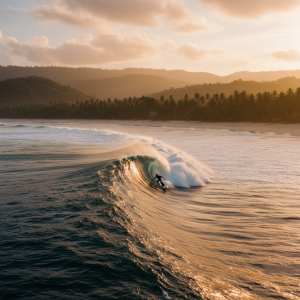
While the all-inclusive rate covers a generous array of activities, Nihi’s most legendary experiences are bespoke and come at an additional cost. Chief among them is the privilege of surfing “Occy’s Left,” the world-class wave that first put this remote corner of Sumba on the map. To preserve the sanctity of the experience, the resort strictly limits the number of surfers in the water to just 10 per day. Securing one of these coveted slots costs approximately $150 per surfer, per day. This fee isn’t just for access; it’s an investment in an uncrowded, pristine wave, a rarity in today’s surfing world. Another signature offering is the Nihioka Spa Safari. This is not a mere treatment but a half-day or full-day pilgrimage. It begins with a 90-minute trek through rice paddies and traditional villages, culminating at a private, two-person bale perched on a cliff overlooking a secluded beach. Here, guests enjoy unlimited spa treatments—from deep-tissue massages to salt scrubs—and a freshly prepared lunch. This journey into wellness and wilderness is priced from $595 per person. Equestrian activities are also central to the Nihi identity. The “swimming with horses” experience, a surreal and highly photogenic activity, costs around $250 per person for a private session. These costs contribute to the resort’s profound connection with the Sumba Foundation. A significant portion of Nihi’s profits supports the Foundation’s work in providing clean water, education, and healthcare to the local community, a fact that reframes these expenses as a form of sustainable, philanthropic tourism.
Getting There and Back: Factoring in Travel Logistics
The “edge of wildness” is not just a marketing slogan; it’s a geographical reality. Reaching Nihi Sumba is an integral part of the adventure and a significant component of the overall stay at nihi sumba cost. The journey begins with an international flight to Ngurah Rai International Airport (DPS) in Bali, the primary gateway to eastern Indonesia. From Bali, you must take a domestic flight to Sumba’s Tambolaka Airport (TMC). Two primary airlines, Garuda Indonesia and Wings Air, operate this 50- to 60-minute flight daily. The cost for this round-trip domestic leg can fluctuate dramatically, from as low as $200 per person if booked well in advance during the low season to over $500 during peak travel times. I always advise clients to book these flights as soon as their Nihi stay is confirmed. Upon arrival at the small, open-air Tambolaka airport, the final leg of the journey begins. As mentioned, the resort’s mandatory transfer service is approximately a 90-minute drive across the island’s undulating, beautiful landscape. The cost for this is fixed at around $250 per person, round-trip. When calculating your total budget, it is prudent to allocate at least $1,000 to $1,500 per person for the complete travel logistics, including international flights to Bali, the domestic connection to Sumba, and the final resort transfer. This essential travel component is what preserves Sumba’s unique character, keeping it a world away from the mass tourism found elsewhere. For more on the island’s unique heritage, the official Indonesian tourism board offers excellent background.
Is Nihi Sumba Worth the Investment? A Value Proposition Analysis
When a client sees a nightly rate that can rival a down payment on a car, the question of “worth” is inevitable. The value of Nihi Sumba, however, cannot be measured by conventional metrics. It lies in its scarcity and authenticity. Unlike luxury resorts in more developed destinations, Nihi offers a level of privacy and cultural immersion that is nearly impossible to replicate. The staff-to-guest ratio is an astonishing 4-to-1, with over 90% of the employees being local Sumbanese from the surrounding villages. This isn’t just a job for them; it’s a source of immense pride, and it translates into a form of service that feels intuitive and genuine rather than scripted. A butler might notice you enjoy a particular fruit at breakfast and have it waiting in your villa post-surf. This is the unscripted magic that a high price tag facilitates. Furthermore, the cost is an investment in preservation—both of the local culture and the natural environment. The Sumba Foundation, funded in part by the resort’s profits, has drastically reduced malaria rates and provides education to thousands of children. As a guest, you are a direct participant in this sustainable model. When you book a stay, you are not just securing a villa; you are buying into an ecosystem of conservation, community, and personal experience. A journey to the nihiwatu resort is an investment that pays dividends in perspective, something few other properties can claim.
Quick FAQ: Your Nihi Sumba Cost Questions Answered
Even after breaking down the primary costs, specific questions often arise. Here are some of the most common queries I receive from travelers planning their Sumbanese escape.
What is the minimum stay at Nihi Sumba?
The minimum stay requirement varies by season. Typically, a 3-night stay is the minimum during the shoulder and green seasons. However, this increases to 5 or even 7 nights during peak periods like July, August, and the festive season between Christmas and New Year’s.
Are tips included in the price?
A 10% service charge is automatically added to your final bill, which is then pooled and distributed among all staff members. While this means individual tipping is not required or expected, many guests choose to leave an additional gratuity at checkout for truly exceptional service. This is entirely at your discretion.
Can I use credit cards at the resort?
Yes, the resort accepts all major credit cards, including Visa, MasterCard, and American Express, for settling your final account. However, as Sumba is a remote island with limited ATM access outside of the main towns, I recommend bringing a small amount of Indonesian Rupiah (IDR) for any potential local purchases or tips if you venture outside the resort. The island’s unique culture is recognized for its megalithic tombs, which you can learn more about on its Wikipedia page.
Is travel insurance necessary for a trip to Nihi Sumba?
It is not just necessary; it is essential. Given the remote location of the resort and the significant financial investment of the trip, comprehensive travel insurance is non-negotiable. Ensure your policy includes robust coverage for medical emergencies, trip cancellation, and, critically, medical evacuation.
The true cost of a stay at Nihi Sumba is measured not just in dollars, but in the richness of the experience and the memories that last a lifetime. Planning a journey of this magnitude requires deep knowledge and meticulous attention to detail. At Sumba Private Tour Atelier, we specialize in crafting seamless itineraries to this remarkable destination, ensuring every element, from your villa selection to your flight logistics, is perfectly aligned with your vision. Our expertise transforms a complex booking process into an exciting prelude to your adventure. Contact our specialists to begin designing your own journey to the nihiwatu resort, a place where wildness and luxury converge.